
McIntosh Pre Amplifiers

Frequently Asked Questions
1. What is a preamplifier and what does it do?
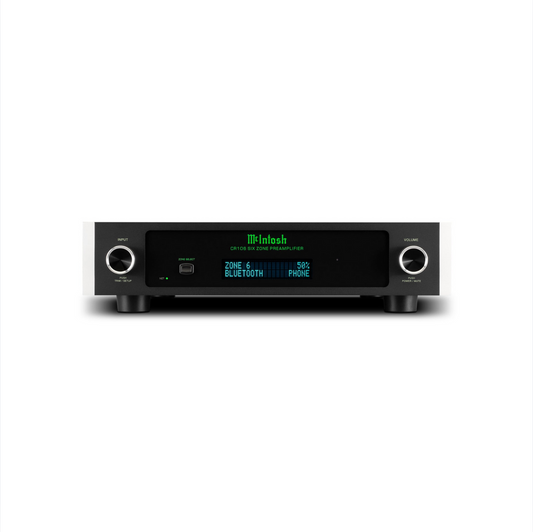
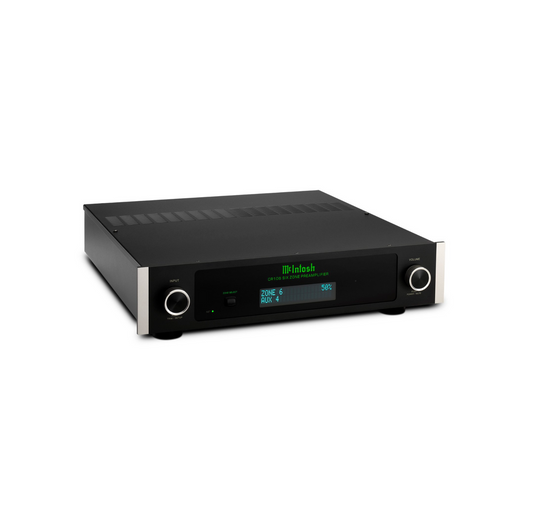
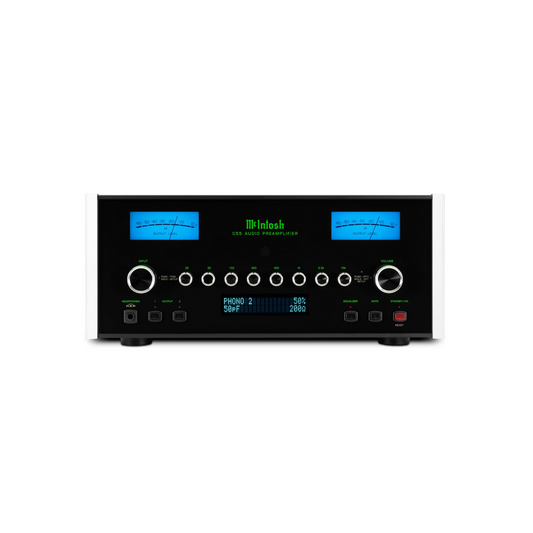
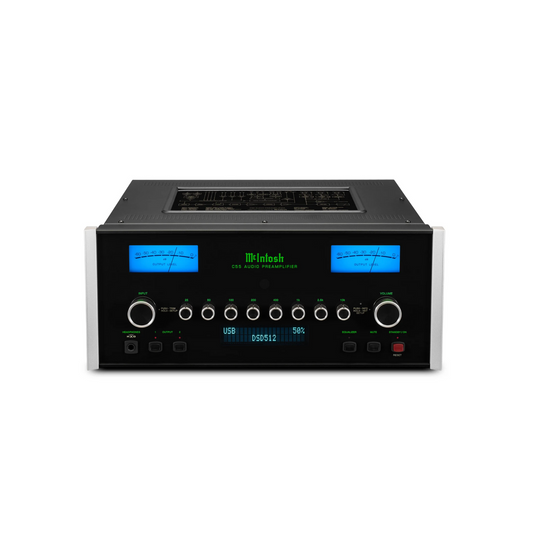
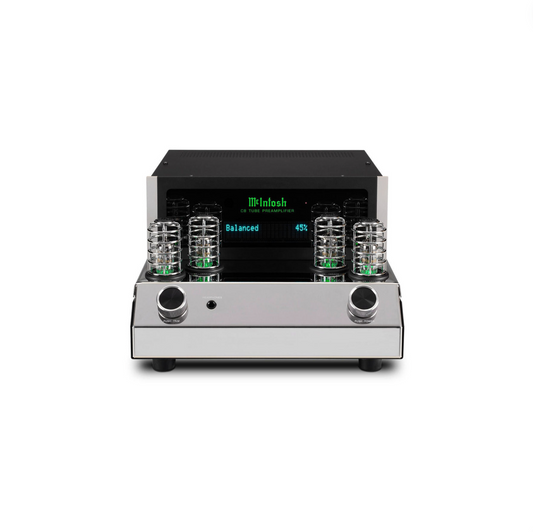
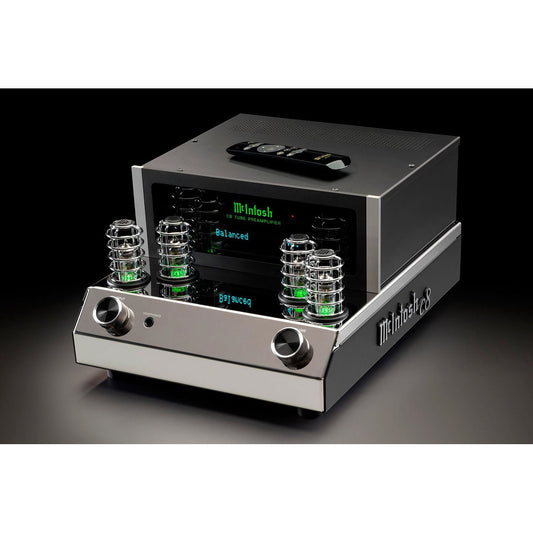
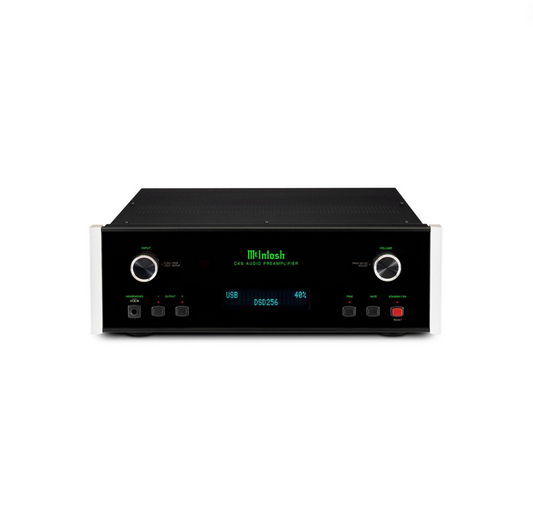
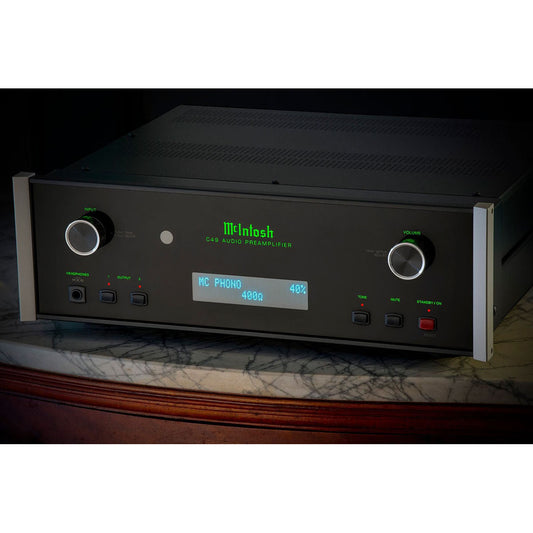
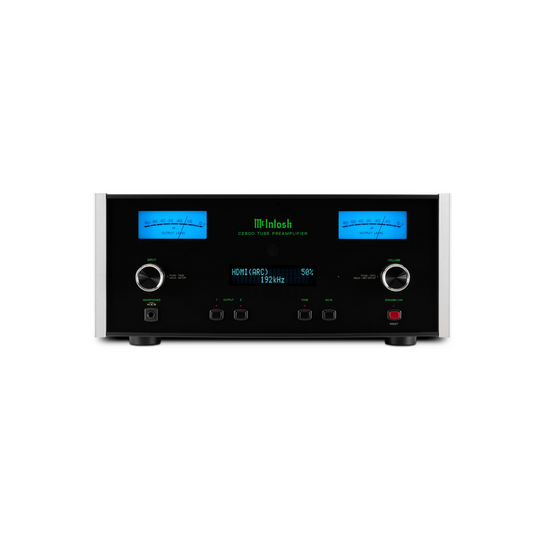
A preamplifier, often called a preamp, is the control center of an audio system. It manages source selection, volume control, and signal processing before sending the audio signal to a power amplifier, which then drives the speakers.
2. What is the difference between a preamplifier and a power amplifier?
A preamplifier controls and prepares the audio signal, while a power amplifier provides the power necessary to drive speakers. In separate-component systems, both devices work together to deliver high-quality sound reproduction.
3. Do I need a separate preamplifier for my audio system?
Many integrated amplifiers and AV receivers already include preamplifier functionality. However, dedicated preamplifiers are often chosen by audiophiles seeking greater system flexibility, improved performance, and the ability to pair components from different manufacturers.
4. What features should I look for in a preamplifier?
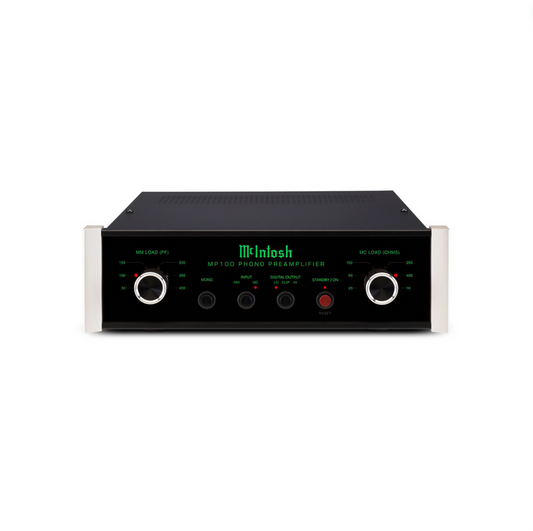
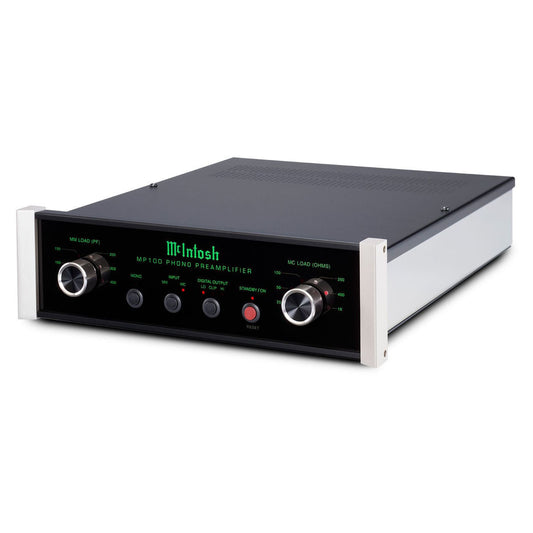
Important features may include analog and digital inputs, balanced XLR connections, built-in DACs, phono stages for turntables, streaming capabilities, home theatre bypass functionality, and compatibility with your existing power amplifier and source components.
5. Can a high-quality preamplifier improve sound quality?
Yes. A well-designed preamplifier can contribute to lower noise levels, improved signal integrity, greater transparency, enhanced dynamics, and better overall system performance. In high-end audio systems, the preamplifier plays a crucial role in preserving the quality of the music signal throughout the audio chain.